





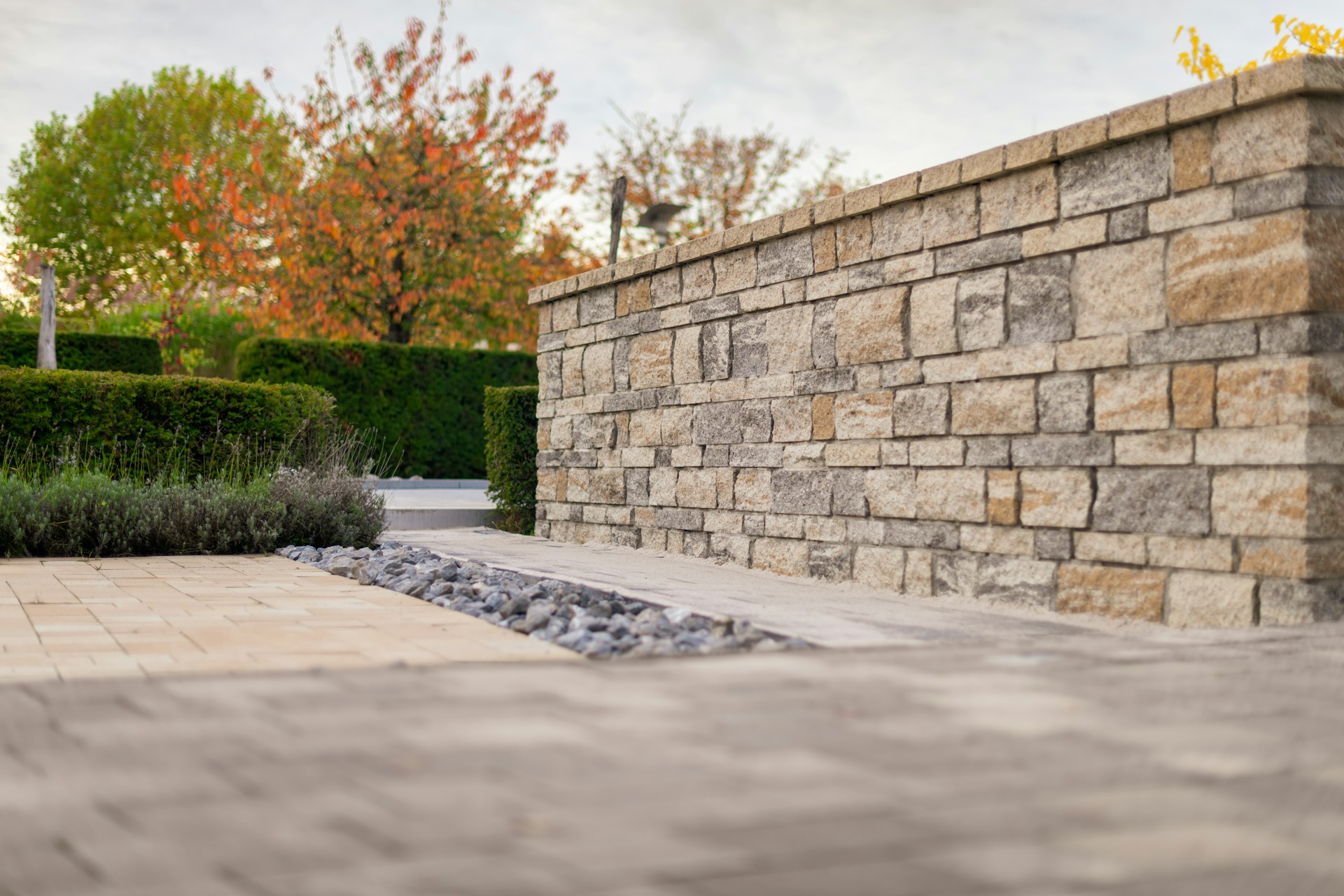
Stop Standing Water From Ruining Your Backyard
Backyard drainage issues in Katy, TX show up fast after a heavy storm. Water can sit in the grass, pool around patios, and turn a nice yard into a soggy mess. When that happens over and over, it is more than just annoying; it can slowly harm your property.
Poor drainage can cause soil around your foundation to shift, plants to rot, and patios to crack. Standing water also attracts mosquitoes and turns play areas into muddy zones that no one wants to use. The good news is that smart hardscaping, planned the right way, can move water where it should go and still keep your yard looking great.
Hardscaping is not just about pretty stone and concrete. With the right design, it becomes a system that manages stormwater, protects your home, and makes your outdoor space easier to enjoy after every rain.
How Katy’s Soil and Weather Create Drainage Problems
Here in the Katy area, we deal with a lot of clay in the soil. Clay soil packs down tight, so it does not soak up water very quickly. After a strong storm, rain can sit on top like water on a plate, instead of sinking into the ground.
Our typical weather adds to the problem. We get:
- Short, heavy downpours that dump a lot of water at once
- Repeated storms during hurricane season that keep the ground wet
- Sudden cloudbursts that overwhelm poorly graded yards
When water has nowhere to go, it starts creating trouble. Some common signs of backyard drainage issues in Katy, TX include:
- Soggy low spots that stay wet long after the rest of the yard dries
- Mulch washing out of beds every time it rains
- Erosion near patios, walkways, or fence lines
- Water flowing toward the house or gathering near the foundation
- Muddy paths where kids or pets walk the same route every day
If you see any of these in your yard, your drainage is trying to tell you something.
Smart Hardscape Designs That Move Water the Right Way
A good drainage plan starts with shaping the ground correctly. Hardscapes like patios, walks, and garden paths should never be perfectly flat. They need a gentle slope so water runs away from the house and toward safe drainage areas.
Key ideas we focus on include:
- Proper grading around patios and walkways to direct water away from structures
- Slight slopes that you hardly notice, but that move a lot of water over time
- Hardscape edges that guide water into planned drains or rock features
To carry water off the surface, we often blend in drainage features that do the job without making the yard look like a construction site. These can include:
- French drains buried below the surface to collect and move water
- Channel drains set at the edge of patios, pool decks, or driveways
- Decorative rock swales that look like dry riverbeds but work hard in a storm
Permeable surfaces also help a lot. Instead of pouring solid concrete everywhere, we might suggest:
- Gravel paths that let water soak through
- Stepping stones with joints that allow drainage between them
- Rock beds that break up runoff and slow it down
All of these features work together so water has a clear path away from your home, instead of making its own muddy route.
Using Retaining Walls and Dry Creek Beds to Tame Slopes
Many Katy backyards are not perfectly flat. Even a slight slope can send a lot of water racing toward one corner of the yard. Retaining walls can turn that problem into something useful and attractive.
With well-planned retaining walls, we can:
- Create level areas for seating, play, or planting
- Hold back soil that might wash away during a heavy storm
- Guide runoff into drains, rock swales, or dry creek beds
Dry creek beds are one of our favorite tools for tricky spots. These shallow, rock-lined channels are designed to catch and carry stormwater through the yard. When it is dry, they look like a natural feature with stone and plants. When it rains, they quietly do the work of a drain.
We can combine:
- Retaining walls for structure
- Steps for safe access between levels
- Planting beds to soften the look and soak up extra water
Together, these pieces turn a washed-out slope into a finished area that looks planned, not patched.
Backyard Drainage Solutions That Protect Your Property
A smart yard plan treats drainage as part of the design, not an afterthought. When we look at a property, we think about where the water starts, where it wants to go, and how to manage that path safely.
Some common drainage tools that can be built into a design include:
- Grading the yard so there is a gentle, steady fall away from the house
- Subsurface drains that collect water below ground level
- Catch basins placed in low spots to pull water off the surface
- Downspout extensions that move roof water away from the foundation
Hardscapes work even better when they are paired with the right planting. Beds, trees, and groundcovers help:
- Slow down fast-moving runoff
- Hold soil in place so it does not wash away
- Filter water before it reaches low areas or drains
- Protect foundations, fences, and hardscapes from long-term damage
Professional planning helps avoid common mistakes, such as:
- Sending water straight into a neighbor’s yard
- Blocking natural flow paths with new patios or walls
- Digging in areas where there may be buried utilities
A thoughtful layout keeps your yard safe, friendly to neighbors, and easier to maintain over time.
Seasonal Maintenance to Keep Drainage Working Year-Round
Even the best drainage system needs a little attention, especially as summer storms pick up. A few simple checks from time to time can keep things working the way they were designed.
Homeowners can help by:
- Clearing leaves and mulch from visible drains and grates
- Checking that downspouts are still firmly attached and pointing the right way
- Removing debris from rock swales and dry creek beds after big storms
- Watching for new low spots or erosion and noting where water tends to sit
For commercial properties or large residential spaces, professional maintenance is often the better choice. Regular service can include:
- Inspecting hardscapes for settling, cracking, or blocked joints
- Checking drainage structures for clogs or damage
- Looking at tree roots that may be lifting patios or blocking lines
- Refreshing rock, mulch, and edging so water keeps flowing correctly
Consistent care of beds, trees, and hardscapes helps your drainage system handle the long Gulf Coast storm season. It also reduces the chance of big repairs later, because small issues are caught early.
Turn Your Soggy Katy Yard Into a Dry, Enjoyable Space
Backyard drainage issues in Katy, TX do not fix themselves. Each season, water will follow the same paths, make the same puddles, and slowly wear down your yard and structures. Tackling the problem before storms peak is one of the best ways to protect your property and enjoy your outdoor space more.
With smart grading, well-planned hardscapes, and the right mix of drains and plantings, a wet, muddy yard can become a dry, comfortable place to relax, play, and entertain. Thoughtful design turns rain from something you dread into something your yard can handle with ease.
Protect Your Yard By Fixing Drainage Problems Now
If standing water or soggy spots are starting to damage your lawn or foundation, we can help you solve backyard drainage issues in Katy, TX with solutions tailored to your property. At Katy Landscapes & Maintenance, we evaluate the source of the problem and design practical grading and drainage fixes that last. Reach out today to discuss your yard and schedule an on-site assessment, or contact us with any questions about your drainage concerns.
 (832) 596-5133
 Click To Email Us
 Katy, TX