





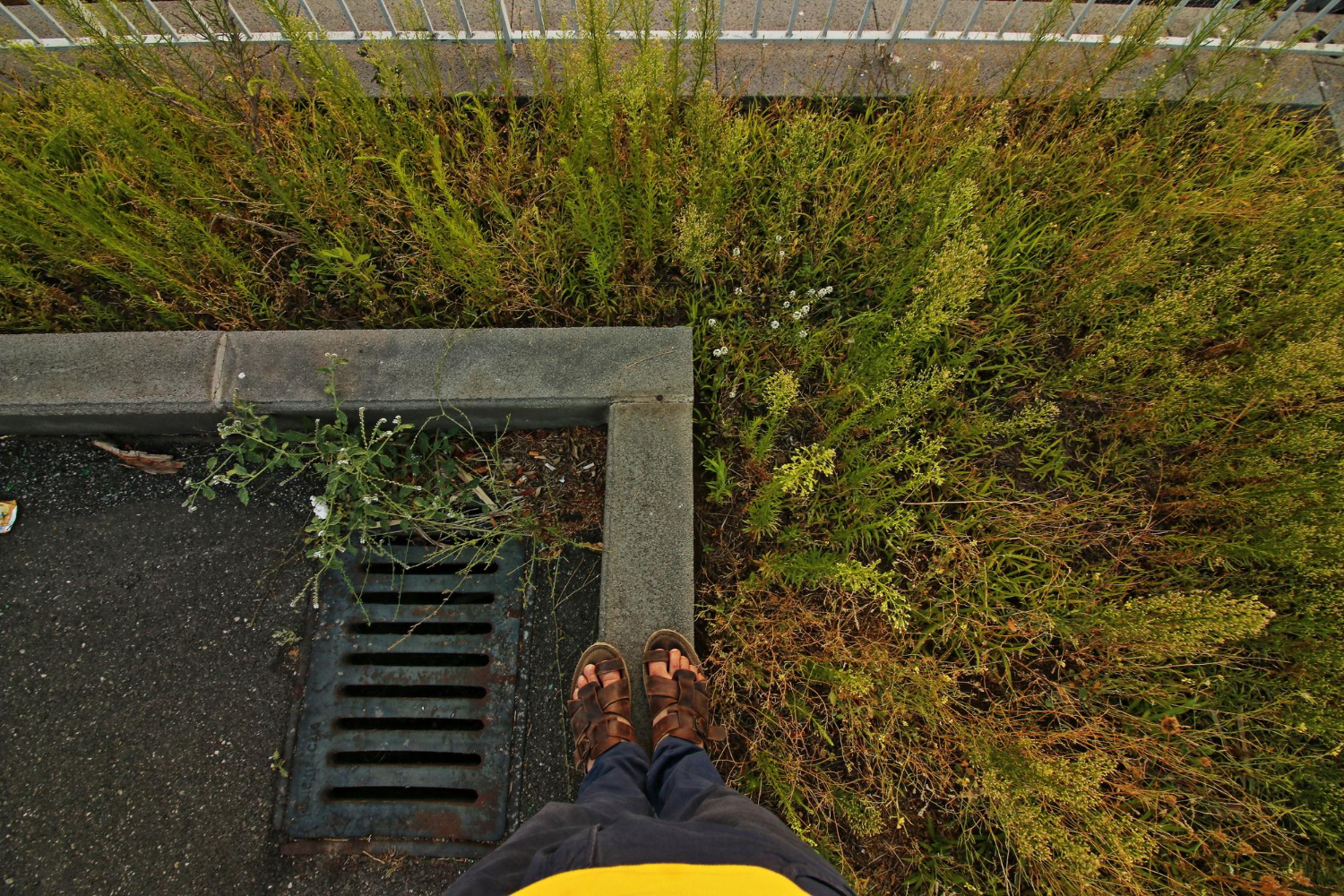
Protect Your Katy Property After Heavy Storms
Heavy rain is a normal part of life around Katy, especially as early summer storms roll through and hurricane season gets closer. The water might dry up on the streets, but what it does in your yard can quietly cause problems. The days right after a big storm are the best time to see how water actually moves across your property.
Hidden drainage issues do not fix themselves. They slowly wear down your yard and outdoor spaces. When they are ignored, you may start to notice thin or dying turf in wet spots, planting beds washing out, sinking pavers or uneven patios, leaning fences, and long-term concerns around your foundation.
We want to walk you through a simple checklist you can follow after a storm. It will help you spot early signs of trouble and know when it is time to look into yard drainage solutions in Katy, TX with a professional team that understands our local soil and storm patterns.
First Walk-Through After a Storm
Timing matters. Your first inspection should be soon after the rain stops, while the ground is still wet and water is fresh. Then, walk the property again about 24 to 48 hours later. That second look helps you see what drains away on its own and what is sticking around.
Use a simple route so you do not miss anything:
- Front yard, especially near the driveway and front walk
- Side yards that feel hidden or narrow
- Back yard low spots, play areas, and pet areas
- Around patios, decks, and pool decks
- At every downspout and along gutter lines
- Along all fence lines
Keep your phone handy and snap photos as you walk. Pictures of puddles, muddy streaks, and problem areas right after a storm are very helpful later when you talk through solutions.
Safety comes first. Wear boots with good grip, and skip climbing on steep slopes or walking right next to retaining walls if the ground looks unstable or freshly washed out. Do not start digging along the foundation or around large trees; those areas are easy to damage and often need a planned approach instead of a quick fix.
How to Spot Standing Water Before It Damages Your Yard
Standing water is one of the clearest signs that something is off with drainage. Some puddles are normal during heavy rain, so what matters most is how long they stay.
Pay close attention to:
- Puddles that last more than 24 to 48 hours
- Soggy strips along fences or property lines
- Water sitting on patios, walks, or pool decks
- Water collecting near AC or HVAC pads
- Water flowing toward your garage or doors
As you walk, look and feel for warning signs of poor drainage:
- Mushy soil that squishes or gives way under your feet
- Sour or swampy smells in certain areas
- Algae or slick green film on hard surfaces
- Mosquito activity around puddles
- Turf that is yellowing, thinning, or bare in wet zones
- Water trails or flow lines that lead toward the house
If you see these patterns, you likely need help reshaping how water moves through the property. Professional yard drainage solutions in Katy, TX may include grading to redirect water, French drains or catch basins to collect it, shallow swales to guide it, or tying gutter downspouts into a planned drain run. Good drainage work is designed as part of an overall layout so it holds up over time, not just as a quick patch after one storm.
Erosion Red Flags in Beds, Lawns, and Hardscapes
Erosion is water slowly stealing your soil. It can be easy to miss until things start shifting or washing out. Storms make erosion show up clearly, so this is the perfect time to look closely.
In planting beds, the most common red flags are mulch washing into the lawn, sidewalk, or street; bare soil on slopes where mulch used to sit; exposed plant roots or root balls peeking out of the soil; and gravel from paths or beds scattered where it should not be.
Hardscape areas will give you clues too:
- Pavers or flagstones that rock or feel loose when stepped on
- Gaps opening between pavers or at the edge of patios and walks
- Steps that feel undermined or have open holes at the base
- Leaning fence posts or washed-out soil near the bottom of panels
- Soil missing at the base of retaining walls, or fresh cracks nearby
When erosion is left alone, water often starts cutting its own channels. Those channels can direct more and more water toward your house or commercial building. Even if you already have some yard drainage solutions in place, new channels can overwhelm them. That is why strong planning that connects planting beds, hardscapes, and grading into one design is so important in storm-prone areas like ours.
Checking Drainage Near Foundations, Trees, and Structures
Your foundation is one of the most important areas to check after heavy rain because uneven moisture around the slab can lead to long-term stress. Watch for water ponding directly next to the slab or along exterior walls, soil that has pulled away from the foundation in some spots (leaving gaps), downspouts that dump water right at the base of the house or building, and splash marks or mud streaks high on the walls from heavy runoff.
Trees and large shrubs also tell a story about drainage. Walk around each main tree and note:
- Exposed roots on one side where soil has washed away
- Low pockets that catch water around the trunk
- Soil mounded on one side and washed flat on the other
Too much water sitting around roots can weaken them over time, which may raise blow-over risk during future storms. It can also stress the plant and make it more open to disease or pests.
Do not forget other structures on the property. Check:
- Low spots where water collects near sheds, outdoor kitchens, or play sets
- Pool decks where water flows back toward the house instead of away
- Driveway edges and joints that trap water next to the foundation
- Areas where fences, walls, or planters push water into narrow channels
Any place where water is heading toward a building instead of away from it deserves attention.
When to Call a Pro and How Katy Landscapes & Maintenance Helps
Some small issues are simple to keep an eye on. Others are signs that you need professional support before damage spreads. You should consider getting help if you notice:
- Standing water that shows up after almost every storm
- Puddles that stay for days, not hours
- Rapid erosion on slopes, near patios, or along fences
- Hardscapes that are shifting, sinking, or cracking
- Signs that make you worry about foundation stress
- Grading that is clearly sending water toward buildings
At Katy Landscapes & Maintenance, we focus on drainage-aware design for both residential and commercial properties. Our work includes landscape design and installation, hardscaping, fencing, and tree services that support healthy water flow and long-term stability. We do not offer sod removal or weekly residential mowing, and ongoing maintenance is reserved for clients whose projects we have installed, so that we can care for those spaces as they grow.
As you walk your property after storms, keep taking photos, jot down notes about where you see water standing or soil washing away, and track spots that stay wet long after the rest of the yard dries. Those details make it much easier to plan integrated yard drainage solutions in Katy, TX that protect your property before the next round of heavy rain.
Get Started With Your Project Today
If you are noticing standing water, soggy spots, or erosion, we can design and install tailored yard drainage solutions in Katy, TX that protect your home and landscape. At Katy Landscapes & Maintenance, we evaluate your property, explain your options clearly, and handle the entire project from planning to clean-up. Reach out today so we can schedule a visit, answer your questions, and provide an upfront estimate, or contact us to get started.
 (832) 596-5133
 Click To Email Us
 Katy, TX