





Stop Standing Water From Ruining Your Katy Yard
Standing water in a Katy yard is more than just a mess. It can leave your lawn soggy for days, wash out beds, and make it hard to enjoy your patio after every big rain. With our flat lots, thick clay soils, and heavy summer storms, water often has nowhere to go.
Over time, poor drainage can hurt your property value and damage the things you have already invested in. Yards stay muddy, plants struggle, and patios and walkways can shift and crack. Water that sits too close to the house can also put stress on the foundation and outdoor living areas.
Smart outdoor drainage systems in Katy, TX, turn that problem into a long-term investment. In this article, we will compare French drains, surface drains, and dry wells, and show how each one can solve common yard problems and help your money go further.
How Katy Weather and Soil Create Drainage Headaches
Katy gets intense summer thunderstorms and tropical systems during hurricane season. When those big downpours hit, a lot of water falls in a short time. We also get rains at other times of the year that can leave soil soaked right when you want to start enjoying the yard again.
The Gulf Coast clay under many Katy yards holds water like a sponge. It drains slowly, compacts easily, and sends extra runoff toward low spots, patios, pools, and foundations. That is why some areas stay mushy even when higher spots dry out quickly.
These conditions often lead to problems such as:
- Water pooling along the foundation or in flower beds
- Erosion around patios, walkways, or retaining walls
- Slippery sidewalks and steps after storms
- Plants that yellow, rot, or never really take off
- Standing water that attracts mosquitoes
A thoughtful drainage plan works with this climate and soil, not against it. The right mix of systems can move water away from trouble spots and spread it where the ground can handle it better.
French Drains for Subsurface Water Control and ROI
A French drain is a trench with a perforated pipe, usually set in gravel and wrapped to keep soil out. It is buried below the surface so you do not see it. Its job is to catch groundwater and slow-moving subsurface water, then carry it to a safer place to disperse.
French drains work well in spots like:
- Along house foundations where the soil stays wet
- Behind retaining walls where pressure builds up
- Low-lying “always soggy” strips of lawn or side yards
The cost of a French drain depends on things such as trench length and depth, what is in the way, and where the water will discharge. Roots, existing patios, driveways, and fences can all affect how the system is laid out. Sometimes it makes sense to connect a French drain to other outdoor drainage systems in Katy, TX so the whole yard works together.
The return on investment with a French drain often shows up in what you avoid:
- Less risk of foundation movement from constant moisture
- Fewer repairs to cracked or shifting patios and walkways
- Healthier turf and plants that are not drowning all the time
- Fewer “band-aid” fixes like extra soil, re-leveling, or patching
When a spot is always wet, patch repairs usually do not last. A properly planned French drain can be the more cost-effective choice over the long run, even if the upfront work is more involved.
Surface Drains for Fast Stormwater Capture and Value
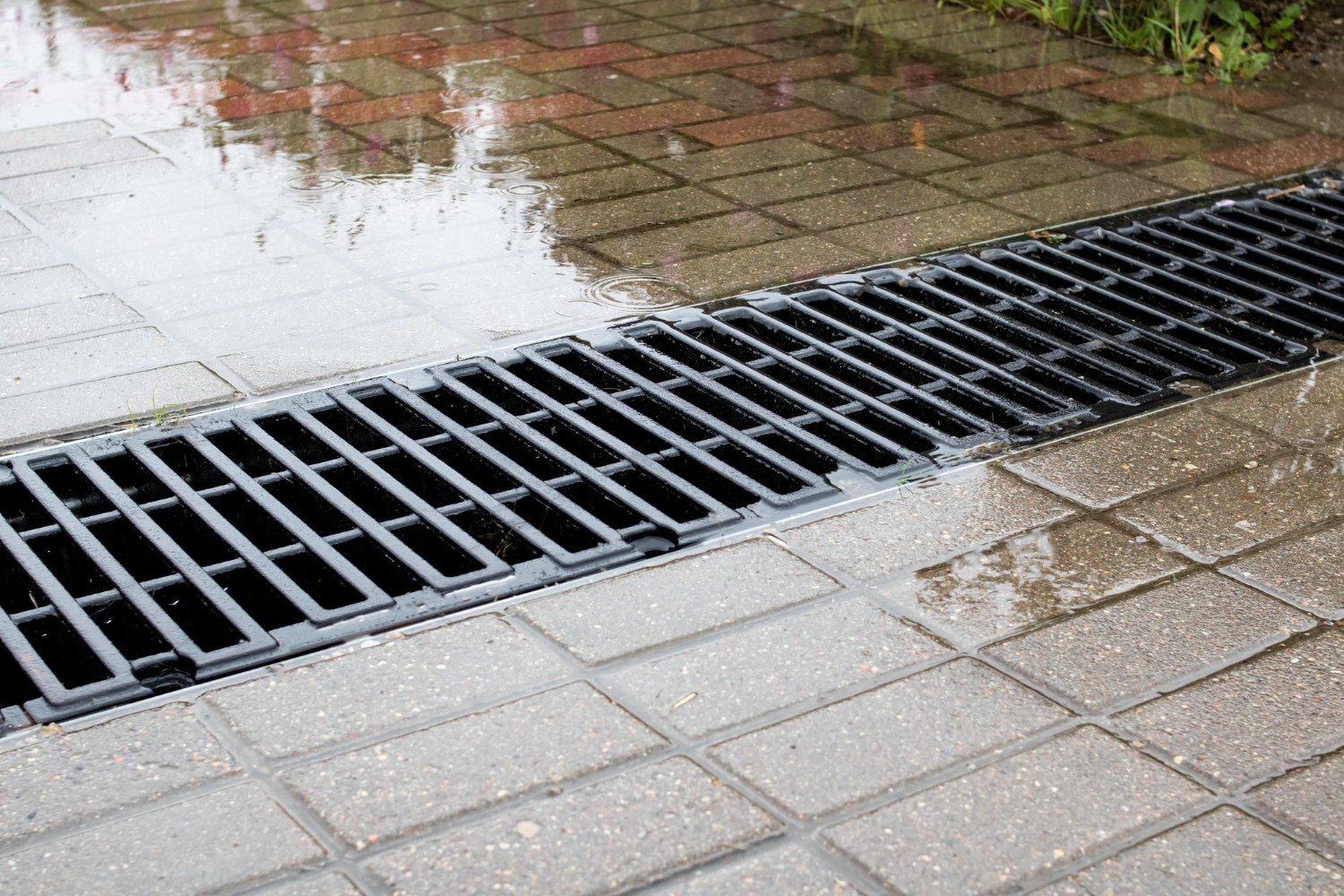
Surface drains deal with water you can see. These are things like catch basins in low spots, channel drains along pool decks or garage doors, and grates tucked into planting beds and lawns. Their job is to grab stormwater quickly and send it away before it has time to spread out.
Common surface drainage options include:
- Catch basins in the middle of soggy areas
- Channel drains at the edge of patios, pool decks, or driveways
- Yard drains placed along walkways, fences, or in planting beds
The main cost drivers for surface drains are the number and size of drains, any grading or re-sloping needed, and how those drains tie into pipes or other systems. Working around existing hardscapes, driveways, and fencing can influence the layout and labor as well.
The value shows up every time a big storm rolls through:
- Patios, pool decks, and walkways stay safer and more usable
- Mulch and decorative rock are less likely to wash away
- Lawns and beds stay cleaner and easier to maintain
- Curb appeal improves for both homes and commercial entries
- New outdoor features are better protected from erosion
Surface drains often pair well with French drains. One catches water at the surface, the other handles what is happening below ground.
Dry Wells for Discreet Storage of Excess Stormwater
A dry well is a buried structure that stores stormwater and lets it slowly soak into the surrounding soil. In Katy’s clay soils, that soaking action needs to be carefully planned, since clay does not drain quickly. Dry wells here often work best as part of a larger system, not as a single stand-alone fix.
Cost depends on several factors:
- How deep and wide the excavation needs to be
- The material used for the dry well structure
- Soil conditions and how easily water can move out
- Distance from houses, garages, and other structures
- Whether French drains or surface drains need to feed into the well
Dry wells can offer strong ROI in the right situation, such as:
- Handling heavy roof runoff away from the foundation
- Reducing visible discharge in front yards or near neighbors
- Keeping lawns and planting beds from getting swamped
- Helping commercial parking areas and walkways dry faster after storms
When tied into broader outdoor drainage systems in Katy, TX, a dry well can be the quiet “storage tank” that keeps the rest of the yard from flooding.
Matching Drainage Solutions to Common Katy Yard Problems
Different problems call for different tools. Here are some common Katy yard issues and what usually works best long term:
- Water against the foundation: Often a mix of French drains along the foundation and surface drains to capture roof and patio runoff.
- Flooded side yards: French drains to handle constant wet soil, plus surface inlets in low spots if stormwater runs through fast.
- Low backyard “swamps”: Regrading when needed, then a blend of surface drains and French drains, possibly ending at a dry well.
- Puddling on patios or pool decks: Channel drains along the edges tied to pipes that carry water to a safer discharge point.
- Commercial entry flooding: Surface drains and channel drains, sometimes with a dry well or French drain system to handle overflow.
A professional site assessment looks at grading, soil type, structures, and current landscaping to design a plan that makes sense for your property and budget. Oversized systems can be wasteful, while undersized ones just shift the water problem to a new spot.
Often, the best ROI comes from combining French drains, surface drains, and dry wells. Water is captured where it appears, moved through the yard correctly, and then released in a controlled way. That layered approach helps protect your property, your outdoor spaces, and your long-term investment over many storm seasons.
Get Started With Your Project Today
If pooling water or soggy spots are putting your yard at risk, Katy Landscapes & Maintenance is ready to help design a solution that actually works. Explore our tailored outdoor drainage systems in Katy, TX to protect your foundation, landscaping, and outdoor living areas. We will assess your property, walk you through practical options, and provide a clear, straightforward plan. Have questions or ready to schedule a visit? Simply contact us and we will follow up promptly.
 (832) 596-5133
 Click To Email Us
 Katy, TX