




When Your Yard Starts Sending SOS Signals
Yards in Katy work hard. By midsummer, they start to show it. Plants turn yellow even though you water them, certain spots stay soggy long after a storm, turf thins out, and you might see cracks in the soil or pavers that slowly shift out of place. Fences lean, mulch washes away, and you are left wondering what went wrong.
Many people guess at the cause and start throwing money at fertilizers, new plants, or more watering time. In our heavy clay soils and intense heat, that often makes things worse, not better. Most ongoing damage in Katy yards usually comes back to three troublemakers: poor drainage, compacted soil, or grading problems. When you know which one you are dealing with, you can pick the right solution, including outdoor drainage systems in Katy, TX that actually fix the root problem.
Reading the Clues of Poor Drainage
Poor drainage shows up on the surface and underground. Some of the most common signs are easy to spot if you know what to look for.
Watch for things like:
- Standing water that is still there 24 to 48 hours after a storm
- Slippery algae on walkways or in low spots
- A musty or mildew smell near beds or along the house
- Turf that feels like a sponge under your feet
- Water pooling next to the foundation or patio edge
- Mushy low areas that never really dry out
- Plants that yellow, rot at the base, or suddenly fall over
Katy properties are at higher risk for drainage trouble. Lots here are fairly flat, and our dense clay soil drains slowly. When a big summer storm hits, water has nowhere to go. Gutters often dump water straight into beds or walkways, which floods plant roots and puts pressure on hardscapes and foundations.
Fixes for poor drainage focus on moving water, not just trying to soak it up with more mulch or gravel. Depending on the site, that can include:
- Re-routing gutter downspouts so water exits away from the house or building
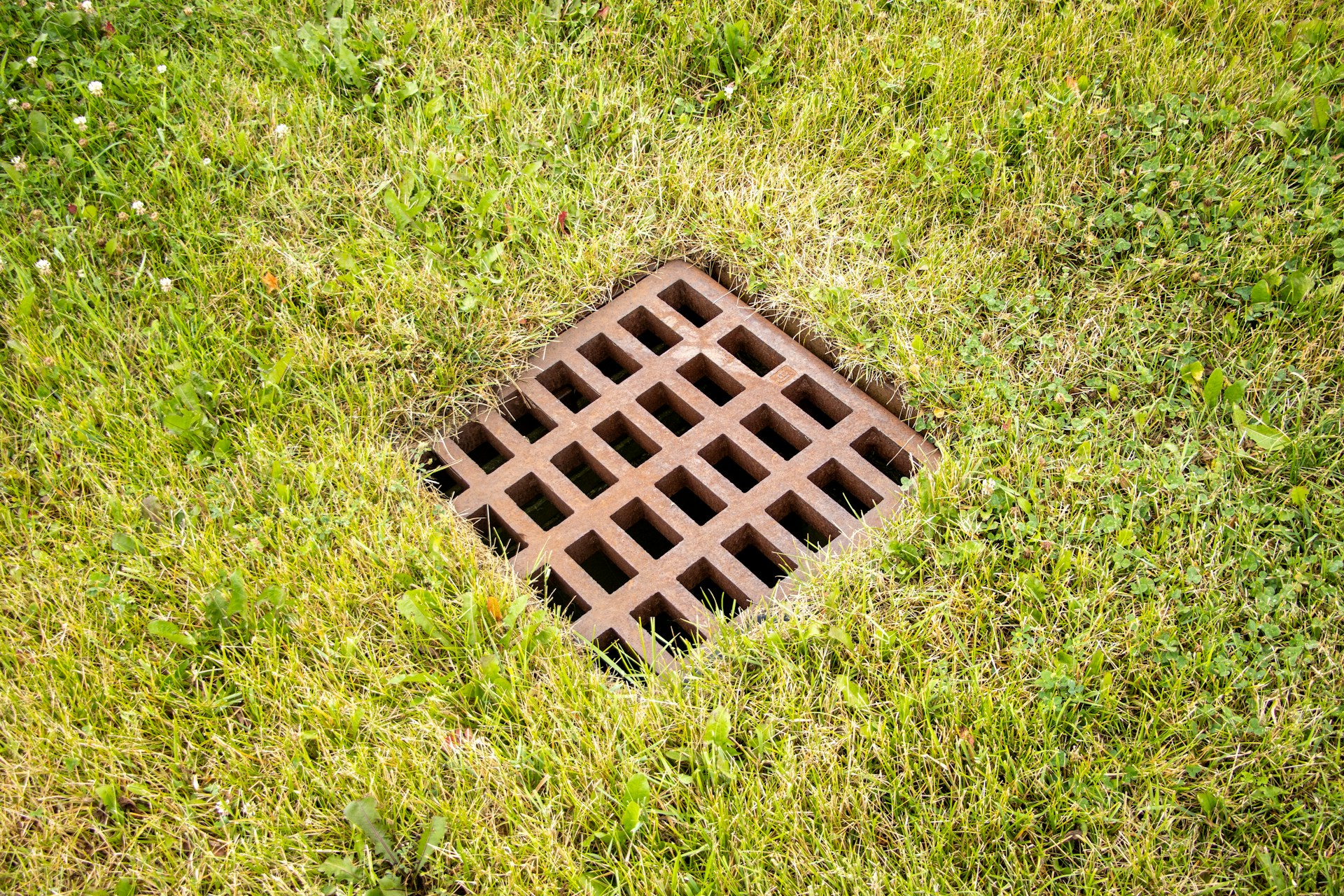
- French drains that collect water below the surface and carry it away
- Channel drains along patios, pool decks, and driveways
- Dry creek beds that guide flow through the yard in a controlled way
These types of outdoor drainage systems in Katy, TX help direct water out of planting areas and away from structures, so soil and plants can actually breathe.
Spotting Landscape Damage From Soil Compaction
Compacted soil is like concrete with a thin green wig on top. It might look fine from far away, but roots are struggling just below the surface. When soil is pressed tight, water and air cannot move through it, so roots stay shallow and weak.
Common warning signs of compaction include:
- Thin, patchy turf, even when irrigation seems strong
- Roots that peel back easily like a mat, instead of digging deep
- Water running off instead of soaking in during watering or rain
- Rock hard soil that fights back when you try to push in a shovel
- Plants that wilt fast on hot days and bounce back slowly at night
In Katy, a few things tend to pack soil down. Heavy foot traffic in play areas and pet paths, vehicle or equipment traffic on lawns and commercial sites, and past construction all press the soil. Our clay also shrinks and cracks when it dries out in summer, then swells again when it gets wet, which can lead to a tight, dense layer over time.
Fixes for compaction are about opening up the soil and protecting it from more abuse. That often means:
- Core aeration in lawns and high-traffic zones to pull out plugs and create channels
- Adding organic matter in beds during planting and refresh cycles
- Deep soil amendments during new landscape installation
- Designing walkways or hardscapes to guide daily traffic off vulnerable green areas
Once soil can breathe, water soaks in better, roots grow deeper, and plants can handle heat and stress with less fuss.
When Grading Errors Are the Hidden Problem
Grading is the gentle shape of your yard, even if it looks flat at first glance. If the grade is wrong, water flows to places it should not, or it speeds across the surface and strips away good topsoil.
Signs that grading might be the real issue include:
- Water that always flows toward your home or building after storms
- Mulch washing out of beds and piling up on walkways
- Exposed roots on slopes where soil has slipped away
- Narrow erosion channels carving lines in the yard
- Uneven settling under patios, walkways, or fence lines
Bad grading tends to make other problems worse. Areas that are too flat or tilted back toward the structure trap water, which keeps soil wet and increases compaction over time. Steep, unprotected slopes lose their top layer of soil in every heavy rain. Plants then sit in poor subsoil that does not drain or feed them well.
Long-term grading fixes are more than quick patch jobs. They often include:
- Re-shaping the yard so water naturally flows away from structures
- Creating shallow swales, or gentle ditches, to guide water where it should go
- Adding low berms to block and redirect flow without creating hard edges
- Pairing re-grading with hardscapes and outdoor drainage systems in Katy, TX for stable, lasting control
When grading is right, everything else works better. Drainage systems perform well, soil stays in place, and plantings have a much better chance to thrive.
Matching the Right Fix to Each Type of Damage
When your yard is hurting, it helps to keep a simple decision path in mind:
- Standing water and rotting plants usually mean a drainage problem
- Thinning turf and soil that feels like concrete point to compaction
- Water flowing toward buildings or washing out beds hints at grading issues
A professional site evaluation pulls all these clues together. That process often includes:
- Studying the slope and spotting high and low points
- Checking soil structure at different depths with hand tools
- Tracing how water moves during or after storms
- Looking at patios, walkways, fences, and plant beds that might be affected
Many properties need a mix of solutions. For example, we might correct grading to push water away from a building, then add French drains to grab extra runoff and move it safely off-site. Or we might relieve compaction in a lawn, then adjust irrigation so water soaks in, not run off. The goal is to fix the cause, not just put a bandage on the damage.
Turn Today’s Damage Into Tomorrow’s Better Landscape
Midsummer damage is your yard talking. When you notice yellowing plants, soggy corners, cracking soil, or shifting pavers, it is worth taking those signs seriously. Tackling drainage, compaction, and grading problems now can protect your foundation, hardscapes, and plantings before hurricane season storms and fall rains push things further.
A helpful next step is to watch your property right after a strong rain. Walk the whole site, take photos of standing water, washed out mulch, and thin turf, and note where people, pets, and equipment travel the most. When you share those clues with a professional, it is much easier to design a smart plan that fits Katy’s clay soils, intense sun, and your daily use of the space. With the right diagnosis and the right fix, your yard can go from sending SOS signals to staying healthy and steady for the long term.
Protect Your Property With Reliable Drainage Solutions Today
If heavy rains are creating standing water or erosion in your yard, we can design and install effective outdoor drainage systems in Katy, TX tailored to your property’s unique layout. At Katy Landscapes & Maintenance, we focus on long-lasting solutions that help safeguard your foundation, landscape, and outdoor living spaces. Reach out today so we can assess your drainage issues and recommend the best options for your home, or contact us to schedule a consultation.
 (832) 596-5133
 Click To Email Us
 Katy, TX