





Protecting Your Fence with Smart Drainage Design
Outdoor drainage systems in Katy, TX, are not just about keeping your shoes dry. They play a big role in how long your fence lasts and how good your yard looks over time. When water has no clear path to follow, it usually finds the fence line and stays there.
In Katy, late summer and fall storms can drop a lot of rain in a short time. Our yards are mostly flat, and many have heavy clay soil that holds water. Add daily irrigation on top of that, and fences end up sitting in damp soil far longer than they should.
When drainage is ignored, problems show up fast: leaning posts, rotting wood, washed-out gravel, and low spots that never seem to dry. Standing water near fences can bring mosquitoes, ants, and other pests. With a well-planned system, you can move water away from the fence, protect your investment in plants and hardscapes, and cut down on future repair work.
How Katy’s Climate and Soil Impact Fence Drainage
Around Katy, we all know those late-season storms that blow through with hard rain and gusty wind. Tropical systems and slow-moving thunderstorms can soak a yard in just an hour. When the ground is already wet from earlier showers and regular irrigation, that extra water has nowhere to go.
Gulf Coast clay soils make things harder. Clay drains slowly, so water tends to pool along:
- Back fence lines
- Property edges near neighbors
- Low corners behind sheds or garages
- Areas where soil has settled over time
Those spots stay soggy, which puts extra stress on fence posts and footings. The soil swells when it is wet and shrinks when it dries out, and that movement can make posts lean or crack concrete.
Hard surfaces around the yard can push even more water toward the fence. Rooflines, driveways, patios and pool decks often shed water in one direction. If the runoff path is not planned, the fence ends up being the last stop for all that flow. Sun exposure and irrigation schedules matter too. A shaded, damp side yard that gets watered the same as a sunny front yard can turn into a muddy mess along the fence.
Common Drainage Mistakes Around Fences to Avoid
A lot of fence trouble actually starts with the way the yard is shaped. One of the biggest mistakes is letting the soil slope toward the fence instead of away from it. Water then runs downhill, hits the fence line, and sits there. This leads to:
- Rotting wood posts and rails
- Weak concrete footings
- Soft, unstable soil around posts
- Long-term leaning and sagging
Another common mistake is trapping water with hard edges. Solid borders, bricks, metal edging, or raised beds placed tight against the fence can act like a little dam. Water gets caught between the edging and the fence, soaking the base of the posts and staining the boards.
French drains and pipes can also cause problems when they are done wrong. When drains are placed too close to the fence, too shallow, or without good outlets, they can shift soil and wash away support from under the posts. Drains that do not have a true exit point simply collect water and keep the area saturated.
Smart Drainage Solutions That Protect Your Fence
The good news is that a smart plan can guide water where you want it to go while still keeping your yard attractive. Grading is the starting point. We usually shape the soil so that water gently flows away from the fence toward:
- Swales, which are shallow grassy channels
- Collection areas that can handle more moisture
- Drains or catch basins that tie into underground piping
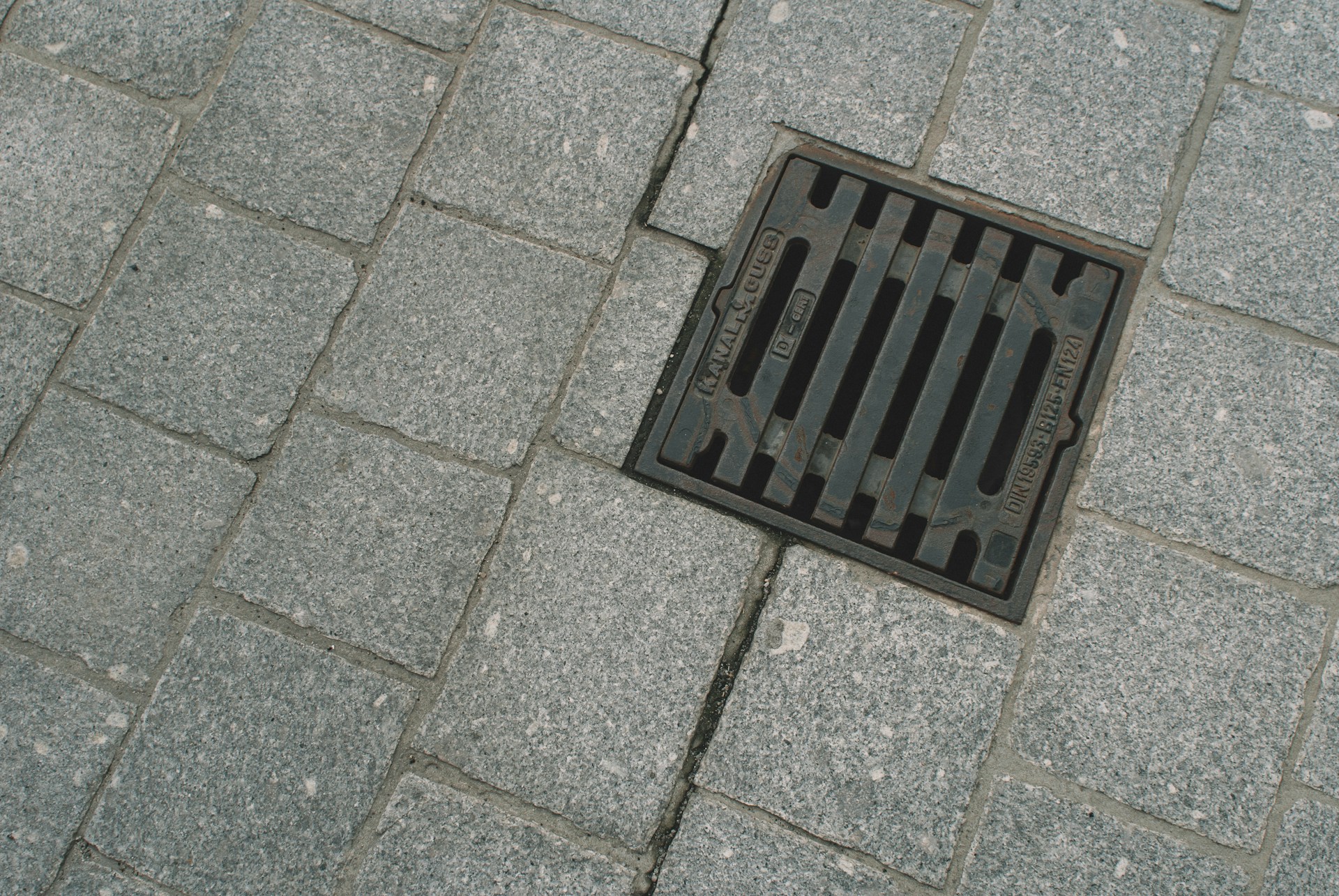
French drains, channel drains, and catch basins can work very well near fences when they are placed with care. They can catch roof runoff from downspouts or surface water from patios before it hits the fence line. The key is to make sure the system has the right slope and a clear outlet so water can keep moving.
A simple but powerful trick is using gravel or river rock bands along fences. A strip of stone:
- Cuts down on mud splashing onto boards
- Helps control erosion at the bottom of the fence
- Lets water move more freely into nearby drains or swales
- Makes trimming and maintenance easier along the fence line
Permeable borders and open edging designs can also break up the flow so water does not pound directly into the fence every time it rains hard.
Integrating Drainage with Overall Landscape Design
Outdoor drainage systems in Katy, TX, do not have to look like construction sites. With careful planning, drains and grading can blend into planting beds and lawn spaces. Swales can be shaped to look like gentle curves in the yard, rather than trenches.
We often pair drainage work with plants that like occasional moisture, especially in areas near fences that stay damp longer. Plants with fibrous roots can help:
- Hold soil in place near posts
- Slow down fast-moving runoff
- Filter water before it reaches drains
- Soften the look of rock or gravel channels
When new patios, walkways, or garden beds are added, it is smart to plan drainage at the same time. Coordinating hardscapes, plantings, and drains keeps water moving away from fences instead of forcing it into tight corners. A full outdoor plan that includes grading, drainage, and planting usually performs better for many seasons than fixing one piece at a time.
Choosing Fence Materials and Footings for Wet Areas
Not every fence behaves the same way in wet soil. Wood fences can look great, but they need more protection from pooling water. Metal and composite fences respond differently to moisture and soil movement, but they still rely on solid posts and footings.
In areas that stay damp or have known drainage challenges, it helps to adjust how the fence is built:
- Deeper posts in problem spots
- Stronger or wider concrete footings
- Post materials that handle moisture better
- Gravel backfill around posts where soil holds water
Planning fence installation and drainage together is always better than treating them as separate projects. When the fence builder and the drainage designer are on the same page, posts can be placed with future drains, swales, and grading in mind. That leads to a stronger fence and a yard that handles heavy rain with less stress.
Why Local Drainage and Fence Expertise Matters in Katy
Yards in the Katy area share some common patterns, but every property is still unique. Small details like lot position, neighborhood grading, and nearby hardscapes can all change how water behaves along a fence line. A local team that works in these conditions all the time can spot trouble areas quickly.
At Katy Landscapes & Maintenance, we design and install integrated solutions that bring fencing, drainage, planting design, hardscaping, and tree care together for both homes and commercial properties. For projects we install, we can also support ongoing landscape care so the system continues to work the way it should. When drainage and fences are planned as a single, smart system, your yard is better prepared for the next round of heavy fall storms.
Protect Your Property With Reliable Drainage Solutions Today
If pooling water or soggy spots are putting your yard and foundation at risk, we can design and install custom outdoor drainage systems in Katy, TX that actually solve the problem long term. At Katy Landscapes & Maintenance, we evaluate how water moves across your property and build a plan tailored to your soil, grading, and landscape. Reach out to contact us and schedule a visit so we can help protect your home and restore the health and usability of your outdoor space.
 (832) 596-5133
 Click To Email Us
 Katy, TX